
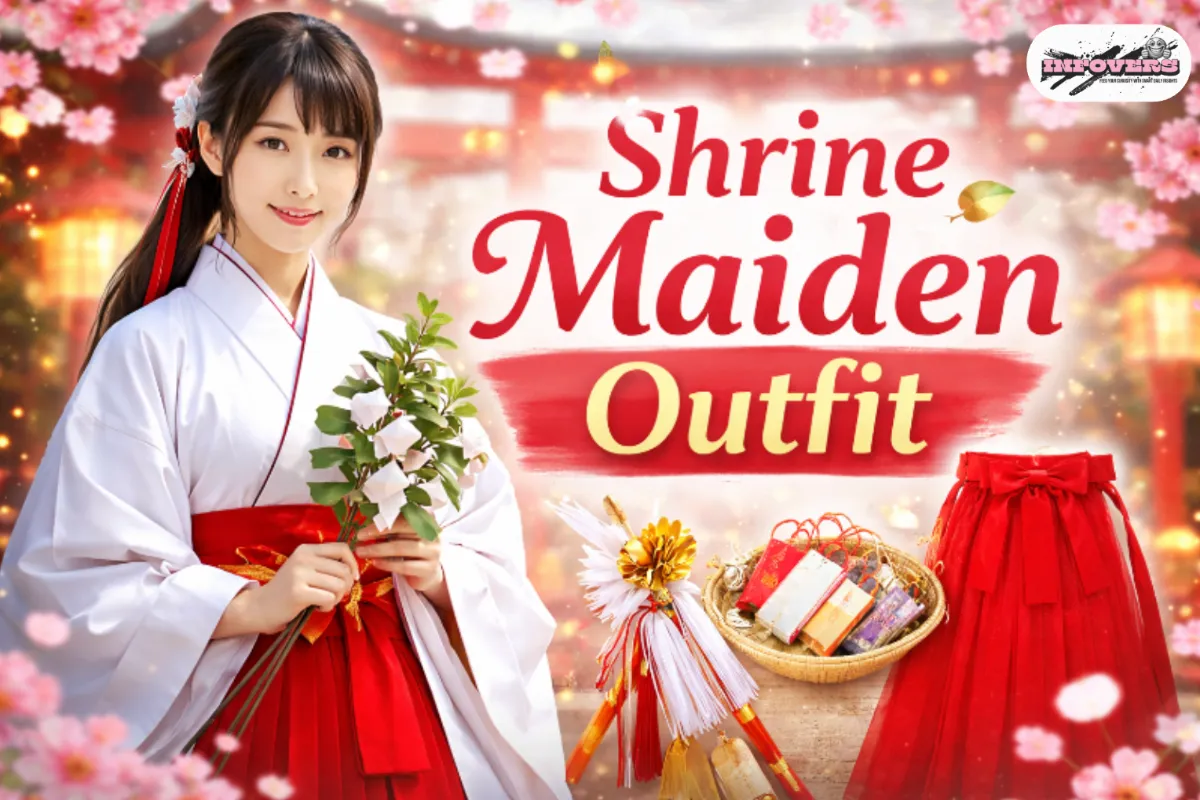
Fashion is not only about modern trends and stylish outfits, but also about culture, identity, and tradition. Around the world, many outfits are connected to history and religion, and one such outfit is the Shrine Maiden Outfit, also known as the Miko outfit. This dress is not just beautiful, but it also represents purity, discipline, and an important role in Japanese culture.
In Japan, the miko outfit is famous for its simple but eye-catching colors—mainly white and red. Many people today search for shrine maiden outfits because they look elegant and are often seen in anime, festivals, and traditional Shinto ceremonies. In this article, we will explain what a miko is, what they wear, why they are important, and how their role has changed over time. We will also cover their history, training, and modern-day duties.
What is Miko?
A Miko (巫女) is a shrine maiden, usually a young woman who works at a Shinto shrine in Japan. In simple words, miko are helpers and assistants in shrines. They support priests, perform rituals, and take part in religious ceremonies.
In ancient Japan, miko were believed to have spiritual powers. Many people thought they could communicate with gods (kami) and spirits. Because of this, people sometimes saw miko as shamans or spiritual mediums who could deliver divine messages.
In modern Japanese culture, miko are more like trained shrine workers. Their role is now more organized and official. They still represent spiritual purity and tradition, but today their duties include both religious tasks and daily shrine activities.
Miko Overview Table
| Topic | Details |
|---|---|
| Japanese Name | Miko (巫女) |
| English Meaning | Shrine Maiden |
| Religion | Shinto |
| Main Outfit Colors | White and Red |
| Famous Clothing Items | White kosode + Red hakama |
| Main Role | Helping at Shinto shrines |
| Special Activities | Kagura dance, rituals, shrine assistance |
| Ancient Role | Spiritual medium / shaman-like role |
| Modern Role | Shrine helper, ceremonial dancer |
Appearance (Miko Clothing / Shrine Maiden Outfit)
The shrine maiden outfit is one of the most iconic traditional dresses in Japan. It is known for being simple, clean, and symbolic. The outfit is designed to show purity and respect, which is very important in Shinto culture.
The traditional miko outfit mainly includes a white kosode, which is like an old-style kimono. Over this, miko wear a red hakama, which looks like wide pleated trousers or a long skirt. This combination of white and red is instantly recognizable and is often associated with Shinto shrines.
Why is the Miko Outfit White and Red?
In Shinto belief, the color white represents purity, cleanliness, and peace. Shrines are sacred places, so purity is a major part of the religion. The red hakama adds a strong contrast and also gives the outfit a formal and powerful look.
Extra Clothing Used in Ceremonies
During special performances like Kagura dances, miko may wear an extra garment called a Chihaya (千早). This is a decorative outer robe that makes their appearance look more ceremonial and traditional.
Traditional Tools and Items Used by Miko
Miko are also known for using certain traditional tools during rituals. Some common items include:
- Bells (used in ceremonies)
- Candles
- Gohei (paper streamers used in rituals)
- Rice bowls (used in offerings)
- Drums
- Tamagushi (sacred branches used as offerings)
These tools are not fashion accessories, but important spiritual items used in religious practices.
Definition of Miko
The word Miko is written in Japanese as 巫女, which combines two characters:
- 巫 meaning shaman or spiritual person
- 女 meaning woman
So, the original meaning clearly connects miko to spiritual work. In the past, miko worked not only as shrine assistants but also entered trance states and communicated with gods.
Spiritual Role in Ancient Times
In early Japanese history, miko were known for practices like:
- Spirit possession
- Divination
- Dream revelations
- Delivering messages from gods (kami)
Many people believed they had a special connection with the spiritual world, so society respected them.
Modern Meaning
Today, the meaning of miko is more practical. Modern miko are mostly shrine workers who follow shrine rules. Their work is still spiritual, but it is more controlled and less connected to the old shaman-like image.
Many miko today are part-time workers or students who assist in shrine functions during festivals and important ceremonies.
Mikoism
Some researchers use the term mikoism to describe the tradition and cultural system connected to miko. It includes their religious duties, rituals, spiritual practices, and historical role as female religious figures in Japan.
It is basically a way to study how miko culture developed and how women played a major spiritual role in Japanese society.
History of Miko
The history of miko is long and deeply connected with Japan’s religious development. Over time, their role changed a lot depending on society, government rules, and cultural shifts.
Early Origins (Prehistoric Japan)
People believe miko traditions go back to the Jōmon period, one of the earliest periods in Japanese history. During this time, female shamans were common in many parts of Asia, and Japan was no exception.
People often believed women had spiritual sensitivity, and they respected them as people who could communicate with the divine world.
Miko in Ancient Japan (Ruling Class Connection)
In early Japan, miko were not just shrine helpers. They were often connected to important families and powerful leaders. Many miko performed spiritual rituals that influenced social and political decisions.
People believed their words came from the gods, so they took their position seriously.
Government Control in the Nara and Heian Periods
During the Nara period and Heian period, the government began to control religious practices. Authorities wanted to reduce uncontrolled spiritual rituals happening outside official shrines.
This was a major turning point because miko practices started becoming more regulated and structured.
Kamakura Period (Difficult Times)
During the Kamakura period, Japan faced political conflict and war. Many shrines and temples lost financial support. Because of this, many miko had to leave shrines and work independently.
This period was difficult for miko traditions because their role slowly moved away from official shrine service and became more mixed with society.
Edo Period (Transformation of Traditions)
In the Edo period, miko traditions changed again. Some miko became more connected with entertainment and folk practices rather than strict shrine work.
This was also the time when Japan saw many changes in cultural and social structures.
Meiji Period (Strict Restrictions)
The Meiji period was one of the most important periods in miko history. The government wanted to build a strong state-controlled religion, so it considered many spiritual practices old or unapproved.
In 1873, authorities issued an edict called Miko Kindanrei (巫女禁断令), which banned many miko spiritual activities.
This reduced their old shaman-style role and pushed miko into a more formal shrine assistant position.
Traditional Training of Miko
Traditional miko training was not simple. In old times, becoming a miko meant deep spiritual learning, strict discipline, and strong mental preparation.
In many villages, families passed miko roles down from generation to generation. Sometimes elders also chose a girl because they believed she had spiritual potential.
Training Process
The training often included:
- Purification rituals
- Cold water washing
- Fasting or avoiding certain foods
- Avoiding death-related places
- Avoiding illness and blood (considered impure in Shinto culture)
This training prepared the body and mind for spiritual work.
Learning Rituals and Communication
The trainee miko had to learn:
- chants
- prayers
- traditional songs
- spiritual dances
- methods of entering trance states
They also learned how to perform ceremonies properly and how to behave respectfully in sacred spaces.
Tools and Knowledge
Miko were trained to use spiritual objects such as:
- mirrors (believed to attract gods)
- sacred branches
- ritual bells
- traditional ceremonial items
In some areas, they also learned secret languages or special ritual words known only to trained spiritual workers.
Initiation Ceremony
After training, the girl would go through an initiation ritual. This was like a final test to confirm she was ready. It could be intense, involving chanting and spiritual ceremonies until the trainee entered a trance-like state.
Once she completed the process, people considered her a true miko, and she could officially serve the shrine.
This process could take three to seven years, depending on the region and tradition.
Contemporary Miko (Modern Shrine Maidens)
Modern miko are still very common in Japan today. You can often see them at famous shrines, especially during festivals, New Year celebrations, and religious events.
Even though their role has changed, people still see them as a symbol of Japanese culture and Shinto tradition.
Duties of Modern Miko
Modern miko typically do many shrine-related tasks such as:
- assisting Shinto priests (kannushi)
- helping during rituals
- performing Kagura dances
- selling charms and shrine souvenirs
- guiding visitors
- giving omikuji (fortune papers)
- maintaining shrine cleanliness and order
They are respected for their disciplined lifestyle and calm behavior.
Kagura Dance and Ceremonies
One of the most famous activities of modern miko is the Kagura dance. This dance is performed as an offering to the gods. It is slow, graceful, and highly traditional.
The dance is not entertainment in the normal sense—it is considered sacred.
Modern Miko Lifestyle
Many modern miko are young women, often students, who work part-time at shrines. Some work only during major events or festival seasons.
Even today, their clothing and role attract global attention. Many people learn about miko through Japanese culture, anime, cosplay, and tourism.
However, real miko work is not cosplay—it is a serious duty connected to religion and tradition.
Conclusion
The shrine maiden outfit (miko outfit) is more than just a beautiful traditional dress. It represents purity, respect, and the deep spiritual history of Shinto culture in Japan. From ancient times, when people believed miko acted as spiritual mediums, to modern times, where they serve as trained shrine assistants, their role has evolved greatly.
Their iconic outfit—white kosode and red hakama—has become one of the most recognized cultural looks in the world. If you are interested in fashion, history, or Japanese culture, learning about miko gives you a deeper understanding of tradition and spiritual identity.
Note: If you found this article helpful, don’t forget to bookmark this page so you can read it again later and continue exploring more fashion and cultural outfit guides!
Read More Also