
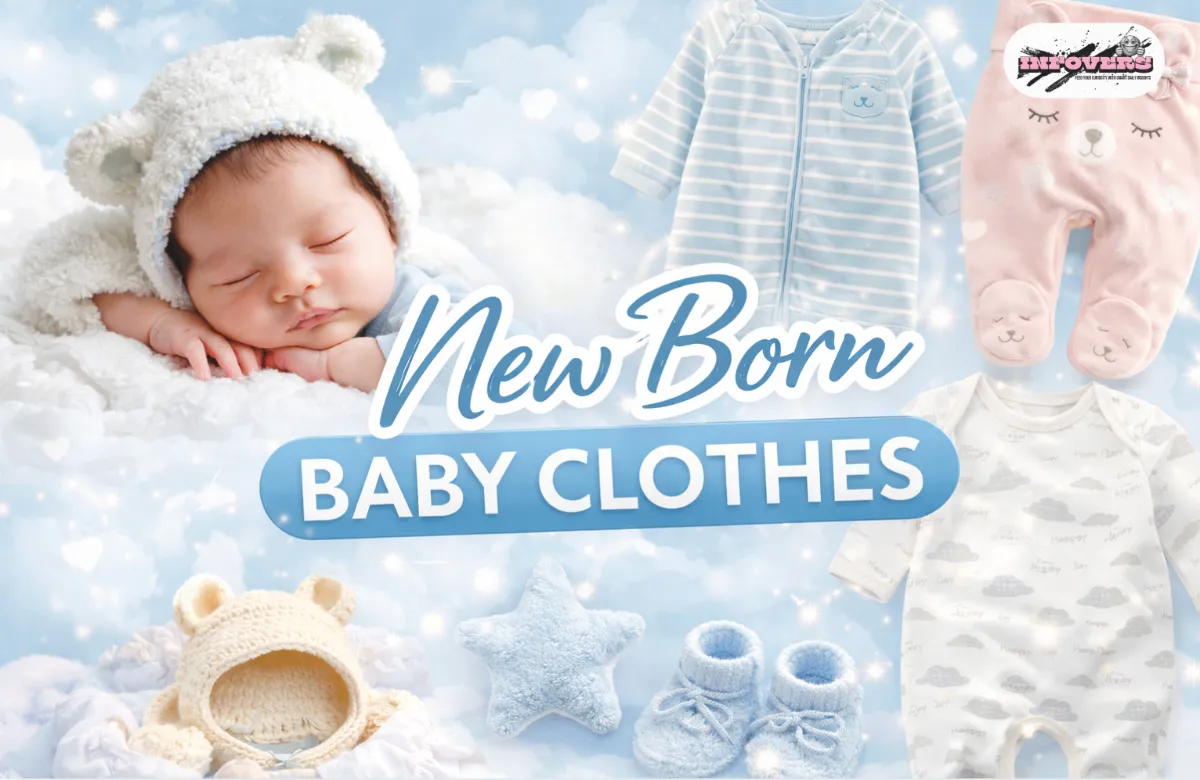
Choosing the right clothes for your newborn baby is one of the most exciting parts of preparing for their arrival. But because babies have very sensitive skin and grow quickly, parents need to pay attention to comfort, safety, fabrics, sizes, and easy dressing. Newborn baby clothes are not just about cute outfits — they must also be soft, breathable, gentle, and practical for everyday use.
Newborns spend most of their time sleeping, feeding, and being changed, so their clothing should make these routines as easy and comfortable as possible. Clothes that are easy to put on and take off, with soft fabrics and simple fastenings, will help both the baby and the parent feel less stressed while dressing.
1. Best Fabrics for Newborn Baby Clothes
When buying newborn clothes, the fabric is one of the most important things to consider. Because a newborn’s skin is very delicate, you should choose materials that won’t irritate or rub against their skin.
👉 Cotton and Bamboo fabrics are top choices because they are soft, breathable, and comfortable — perfect for a baby’s sensitive skin. Organic cotton is especially gentle and ideal if your baby is prone to irritation.
Avoid clothes with rough seams, scratchy tags, or harsh chemical dyes. These can cause redness or discomfort. Clothes made from natural, hypoallergenic materials help reduce the risk of rashes and allergic reactions.
2. Newborn Clothes You Really Need
Newborn baby clothing can include many styles, but some basics are especially helpful:
⭐ Onesies & Bodysuits
One of the most important pieces because they make diaper changes easy and keep your baby snug.
⭐ Sleepers & Pajamas
Babies sleep most of the day, so soft sleepers help keep them cozy while they snooze.
⭐ Rompers & Jumpsuits
These one-piece outfits are comfortable and great for playtime as your baby gets a little older.
⭐ Sleep Sacks
These are safer alternatives to blankets for nighttime and help prevent overheating.
⭐ Hats & Mittens
A small hat helps regulate your baby’s body temperature, and mittens keep them from scratching themselves.
3. How Many Clothes Do You Need?
Newborns can go through multiple outfit changes a day because of spit-ups and diaper leaks — sometimes up to 8 times a day! So it’s a good idea to have around 8–12 outfits ready.
Clothes that fit a true “newborn” size won’t last long, as babies grow fast. Many parents buy some sizes labeled 0-3 months because a baby may skip newborn sizes entirely. Having a mix of sizes gives you more flexibility as your baby grows.
4. Comfort and Safety Tips
When choosing clothes for your newborn, comfort and safety should always come first:
✔ Easy dressing: Choose clothes with snaps at the bottom or front openings so you don’t have to pull anything over your baby’s head.
✔ No tight elastic: Avoid clothes with tight waistbands or strong elastic that could irritate tiny skin.
✔ Breathable layers: Babies can’t regulate temperature like adults, so clothes that breathe well help prevent overheating.
✔ Wash first: Always wash new clothes before use with mild, baby-safe detergent to remove dust and chemicals.
5. Seasonal Clothing Guide
Babies can get cold easily in cooler months and sweat more in warm weather. Choose outfits that match the season:
🔹 Warm weather: Light cotton onesies or rompers keep your baby cool.
🔹 Cooler weather: Sweaters, jackets, or layered clothing keep your baby warm — but always check their skin temperature often.
6. Cute Styles and Dress Options
Although comfort is most important, you can still choose adorable styles! Many newborn clothes come in fun colors, gentle prints, and patterns. Popular options include:
👶 Floral prints
👶 Pastel colors
👶 Tiny animals or characters
👶 Ruffles, bows, and soft embellishments
Brands like those on FirstCry offer a wide selection of baby dresses, frocks, two-piece sets, and coordinated outfits that combine safety and style.
7. Buying Tips for First-Time Parents
👉 Always check the size chart before buying.
👉 Choose fabrics that are easy to wash and dry, because baby clothes require frequent cleaning.
👉 Shop from trusted brands or stores to ensure quality and safety.
Final Words
Preparing your baby’s wardrobe should be fun and stress-free. Focus on soft fabrics, comfortable designs, safe materials, and sizes that allow room to grow. Whether you’re buying a few essentials or a full wardrobe, keeping your baby’s comfort and happiness at the center will help you make the best choices.
Read More Also